
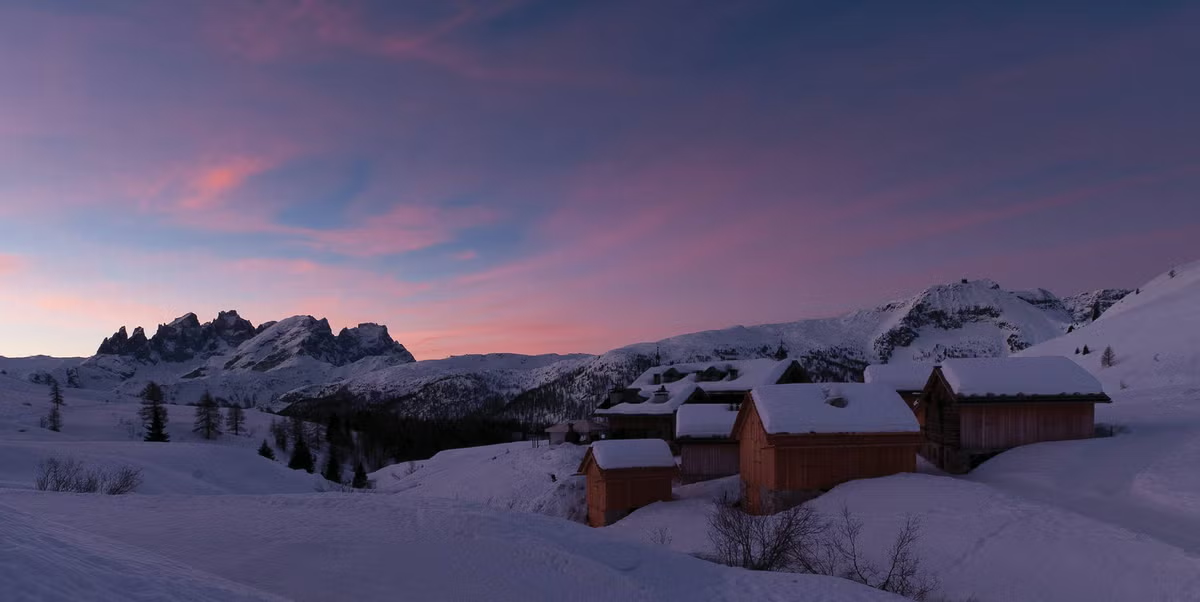
The jagged peaks of the Dolomites have always turned heads, but now they’re stepping into the global spotlight like never before. As Cortina d’Ampezzo co-hosts the Milano Cortina 2026 Winter Olympics alongside Milan, these UNESCO World Heritage mountains aren’t just a backdrop—they’re the main event. I still remember the first time I hiked above Falzarego Pass at dawn, watching that famous enrosadira glow turn the rock faces pink and orange. It felt like the mountains were putting on their own show, long before any Olympic torch arrived. That same magic is what makes this Olympic chapter so special: raw Alpine beauty meeting world-class sport in one unforgettable frame.
A Timeless Stage Finds New Glory
Cortina d’Ampezzo earned its nickname as the Queen of the Dolomites decades ago, but the 2026 Games have polished her crown even brighter. Nestled in a natural bowl ringed by Tofane and Cristallo peaks, the town hosted the 1956 Winter Olympics when black-and-white broadcasts first introduced the world to these dramatic landscapes. Fast-forward seventy years, and the same slopes now welcome modern athletes while drawing millions of new eyes. The blend of old-world charm and fresh infrastructure creates a destination that feels both nostalgic and cutting-edge at once.
From 1956 to 2026: Evolution in the Peaks
Back in 1956, Cortina’s Olympics put the Dolomites on the map for luxury skiers and celebrities alike. Today’s Games build on that foundation with smarter planning and wider reach across the region. Women’s alpine skiing returns to the iconic Olimpia delle Tofane run, while new and upgraded venues handle bobsleigh, luge, skeleton, and curling. The difference? A stronger focus on legacy, sustainability, and spreading visitors across multiple valleys instead of overwhelming one town.
Key Olympic Venues Shining in the Dolomites
The Games distribute events thoughtfully across the Dolomites cluster, keeping the mountains at center stage without turning them into a single construction zone. Cortina itself hosts three core venues, each tied to the region’s natural terrain and historic ski culture. This setup lets athletes compete in authentic Alpine conditions while spectators soak in views that no stadium could replicate.
Tofane Alpine Skiing Centre: Queen of Speed
Tofane di Mezzo, the third-highest peak in the Dolomites at over 3,200 meters, hosts women’s downhill, super-G, and combined events on the legendary Olimpia delle Tofane course. Athletes drop 750 meters through steep chutes and sweeping turns carved into dolomite rock. Locals joke that the mountain itself provides the drama—no need for artificial flair. The venue’s history as a World Cup staple means competitors already know its tricky lines, adding extra thrill for fans watching live or on screen.
Cortina Sliding Centre: Adrenaline on Ice
Rebuilt on the footprint of the 1956 track, this state-of-the-art facility delivers high-speed runs for bobsleigh, luge, and skeleton. Engineers worked around the clock to finish it on time, preserving surrounding forest while adding modern safety and energy-efficient cooling. Watching athletes rocket down at 130 km/h against a backdrop of snow-dusted spires feels like the ultimate mountain rollercoaster. It’s a perfect example of respecting the landscape while pushing athletic limits.
Cortina Curling Olympic Stadium: Precision in the Peaks
The historic Stadio Olimpico del Ghiaccio, originally built for 1956 figure skating, now stages curling and wheelchair curling. Its central location in town makes it walkable for fans, blending indoor focus with immediate access to outdoor Dolomite views. During the Paralympics it even hosts the closing ceremony, giving the venue one final memorable moment under the mountains. The intimate setting amplifies every strategic call and celebratory shout.
How Infrastructure Upgrades Transformed Access
Preparation involved targeted improvements rather than wholesale rebuilding. New gondolas, widened roads, and enhanced public transport now connect Cortina to surrounding valleys more smoothly. A fresh cable car project and energy upgrades help move people efficiently while minimizing environmental strain. I tried the updated lifts myself last season and noticed how much easier it was to reach high rifugios without the old bottlenecks—pure relief for anyone carrying skis or hiking boots.
Sustainability in a Fragile Alpine Ecosystem
Organizers promised a greener Games, and the Dolomites saw real efforts: renewable-powered snowmaking, existing hotel use for athlete housing, and minimal new permanent builds. Water from high reservoirs feeds snow cannons only when absolutely needed, and many projects carry post-Games value like improved trails and health facilities. Still, some locals and environmentalists voiced concerns about forest clearing and tourism pressure—valid points that highlight the delicate balance required in these protected peaks.
Pros and Cons of Experiencing the Dolomites During the Games
- Pros: Unbeatable atmosphere with international crowds, enhanced transport, and once-in-a-lifetime Olympic energy in a UNESCO site.
- Pros: Post-event infrastructure boosts make future visits easier year-round.
- Cons: Limited public access to certain slopes and higher prices during peak weeks.
- Cons: Potential overcrowding in popular rifugios and trails if you don’t plan ahead.
Weighing these factors helps travelers decide whether to chase the live action or wait for quieter legacy months.
Comparison: 1956 Versus 2026 Games in Cortina
| Aspect | 1956 Olympics | 2026 Olympics |
|---|---|---|
| Broadcasting | Black-and-white, limited reach | Global 4K streams and social media |
| Venues | Mostly new builds | 90% existing or temporary upgrades |
| Focus | Introducing the Dolomites | Showcasing sustainability and legacy |
| Visitor Spread | Concentrated in Cortina | Distributed across multiple valleys |
| Long-term Impact | Sparked luxury tourism boom | Aiming for balanced, year-round growth |
This side-by-side shows how far the region has come while staying true to its roots.
Beyond Competition: Cultural and Culinary Highlights
The Olympics spotlighted more than sport. Rifugios served up hearty local dishes like casunziei ravioli and strudel paired with regional wines, while enrosadira light shows painted the peaks at dusk. Evening events in Cortina’s pedestrian center mixed Olympic cheering with live folk music—creating moments where athletes and families shared tables under the stars. It reminded everyone that these mountains feed the soul as much as the slopes.
Practical Tips for Planning Your Dolomites Olympic Adventure
Book early if you want to catch events, but consider shoulder seasons for better availability. Use the Dolomiti Superski pass to explore beyond Cortina—twelve resorts connected by one ticket mean endless terrain without the main-venue crowds. Pack layers for rapid weather shifts, and download offline maps because cell service can fade high up. A local guide makes all the difference for hidden trails and authentic stories.
Where to Stay: From Historic to Brand-New Luxury
Options range from restored classics like Hotel Ancora (opened just in time) to sleek spots such as Hotel de Len with its rooftop spa overlooking Tofana. Many properties leaned into sustainable materials and local woodwork, giving guests that warm Alpine hug after a long day outside. For budget travelers, valley villages offer cozy guesthouses with easy bus links into the action.
Exploring the Wider Dolomites Beyond Cortina
Don’t limit yourself to the Olympic hub. Val di Fiemme delivers forest-bathing trails and cross-country routes, while Livigno’s freestyle parks and Bormio’s thermal baths provide perfect recovery days. These areas hosted their own events and now carry the same upgraded vibe without the full spotlight pressure. I once spent a week hopping between them by bus and felt like I had the entire range to myself—pure freedom.
People Also Ask
What Olympic events take place in the Dolomites for 2026?
Women’s alpine skiing at Tofane, plus bobsleigh, luge, skeleton, and curling in Cortina, with additional snow sports scattered across nearby valleys.
Can visitors still ski in the Dolomites during the Olympics?
Yes—most of the massive Dolomiti Superski network stays open, though specific Olympic slopes close temporarily. Plan around venue schedules for the best experience.
How has the 2026 Games changed Cortina d’Ampezzo?
Infrastructure upgrades, new hotels, and better transport have modernized the town while preserving its historic center and mountain character.
Is it worth visiting the Dolomites after the Olympics?
Absolutely. Legacy improvements mean smoother access and fresh facilities, often at lower prices once the immediate buzz settles.
What makes the Dolomites unique compared to other Alpine ranges?
Their pale dolomite rock creates those signature pink sunsets, plus a rich cultural mix of Italian, Ladin, and Germanic traditions you won’t find elsewhere.
FAQ
How do I get to the Dolomites for Olympic-related travel?
Fly into Milan or Venice, then take a comfortable train or private transfer north—about three to four hours to Cortina. Rental cars work well for exploring multiple valleys.
Are the Olympic venues open to the public after the Games?
Many yes—the sliding centre and curling stadium now host events and tours, while Tofane slopes return to regular skiing and hiking.
What’s the best time to visit post-Olympics?
Late March through May offers melting snow and wildflowers, or September to October for golden larch trees and fewer crowds.
Do I need special permits for hiking during or after the Games?
No permits required for standard trails, but check local apps for temporary closures near former venues.
How sustainable was the 2026 Olympic footprint in the Dolomites?
Organizers emphasized reuse and renewables, though debates continue about long-term tourism balance in this sensitive ecosystem.
The Dolomites didn’t just host the Olympics—they stole the show. Those ancient peaks now carry fresh stories of athletic triumph and careful stewardship into the future. Whether you chased the live action or plan to chase the afterglow, one truth stands clear: this corner of the Alps has never looked more ready, or more radiant. Pack your boots, book that rifugio dinner, and come see why the world keeps falling in love with these mountains all over again. The close-up may be over, but the magic is just beginning.